

ABB
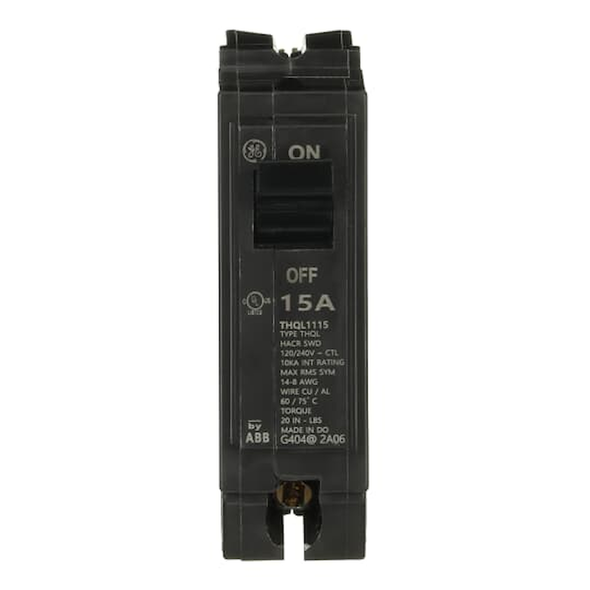
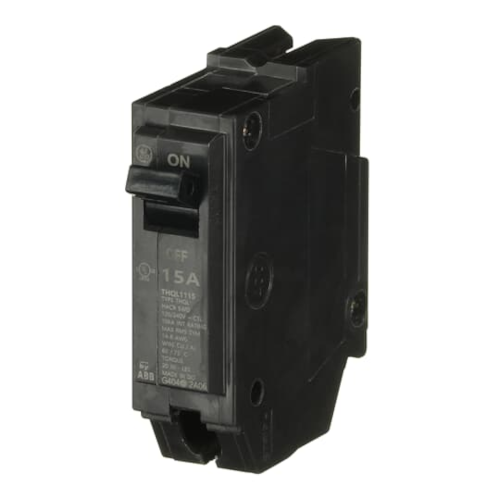
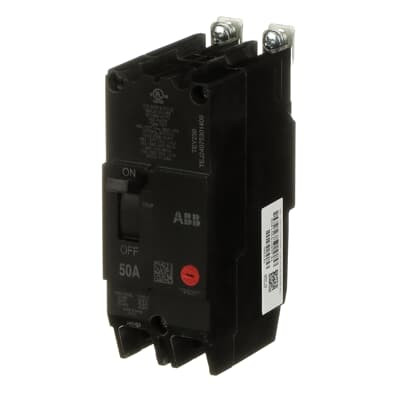
2-Pole Q-Line Plug-In Circuit Breakers

- SKU:
- THQL21100
- Availability:
- Allow 2-3 Days to Ship
- Weight:
- 0.65 LBS






Description
2-Pole Q-Line Plug-In Circuit Breakers
ABB THQL series plug-in circuit breakers are designed for reliable circuit protection in residential and light commercial electrical distribution systems. Engineered for consistent performance, these breakers provide thermal-magnetic protection against overloads and short circuits.
This selection includes 2-pole THQL plug-in breakers ranging from 15A to 100A, commonly used in compatible ABB and GE load centers for 240V branch circuit applications.
Key Features
- 2-pole THQL series plug-in circuit breakers
- Available amperages: 15A, 20A, 30A, 40A, 50A, 60A, 70A, 80A, 90A, 100A, and 125A
- Designed for 120/240V AC and 240V AC applications
- Thermal-magnetic trip mechanism for overload and short-circuit protection
- Plug-in mounting style for compatible load centers
- Compatible with select ABB and GE residential load centers
- Compact 1-inch per pole design
- UL listed for safety and performance
- Suitable for residential and light commercial branch circuit protection
Typical Applications
Ideal for protecting branch circuits in homes, apartments, small commercial buildings, and similar electrical distribution systems. Common applications include HVAC equipment, water heaters, ranges, dryers, subpanels, and other 2-pole electrical loads.
Construction Details
The plug-in design allows the breaker to seat securely onto compatible load center bus assemblies without bolt-on mounting hardware.
Thermal-magnetic operation provides inverse-time response for overload conditions and fast interruption during short-circuit events.
Durable molded case construction helps protect internal components and supports long-term electrical performance.
Important Notes
Confirm panel compatibility before installation, as THQL breakers are intended only for approved ABB and GE plug-in load centers.
Breaker amperage must be matched to conductor size, connected load, and applicable electrical code requirements.
Installation should be performed by a qualified electrician in accordance with NEC and local electrical codes.